

When compliance problems show up at the end of the product cycle, it’s never just a paperwork issue—it’s a business issue. Teams spend weeks validating Bills of Materials, only to discover late that a component is obsolete, a label is missing data, or a material no longer meets today’s rules. In medical devices, tighter MDR timelines and UDI requirements mean even a small mismatch can derail certification and push out revenue. In pharma, the revised Annex 1 expects traceability and control across people, materials, and equipment—so gaps in supplier evidence or component records become deviations or batch holds. What leaders see: slip pages on launch timing, higher rework costs, and tougher audits. What teams feel: constant firefighting instead of focused execution.
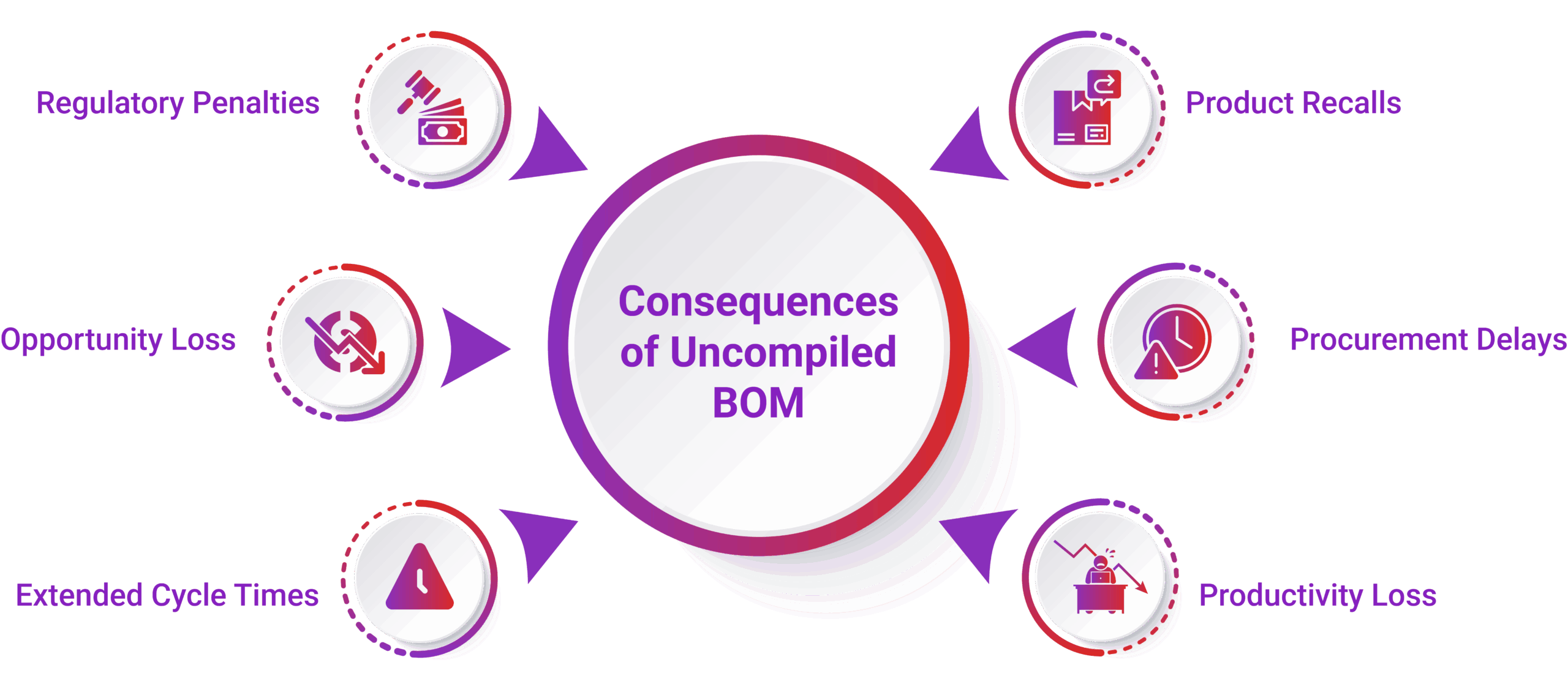
The pattern is consistent and structural, not personal. Most companies break in the same two places. First, critical evidence lives in silos—PLM, ERP, QMS, spreadsheets—so the “single source of truth” for part status lags reality. Second, processes aren’t built for today’s speed of regulatory change and supply volatility, so risks surface late when fixes are slow and expensive. Stress concentrates in sourcing and quality: sourcing absorbs supplier churn and compliance switches at premium costs; quality faces escalating scrutiny on documentation, traceability, and monitoring. Planning, production, and logistics inherit the shock through reschedules, rework, and missed windows. The leadership takeaway: bring compliance data forward in the cycle, simplify handoffs, and anchor decisions to a shared record—so your organization spends less time reacting and more time delivering.
When product teams only discover non-compliant or obsolete parts at the finish line, everyone pays the price—engineers scramble to redesign, buyers chase scarce alternatives, quality prepares for tough questions, and leaders watch timelines slip. In electronics, even a small miss against RoHS/REACH can stall shipments or force a market withdrawal. In medtech, a missing UDI attribute or an outdated declaration can trigger documentation rework just when a notified body review is due. In pharma, Annex 1 raises the bar on traceability and supplier control, so incomplete linkages between materials, components, and records quickly turn into deviations or batch holds. None of this is about one team underperforming; it’s a system set up to catch issues late—when fixes are slow and expensive.
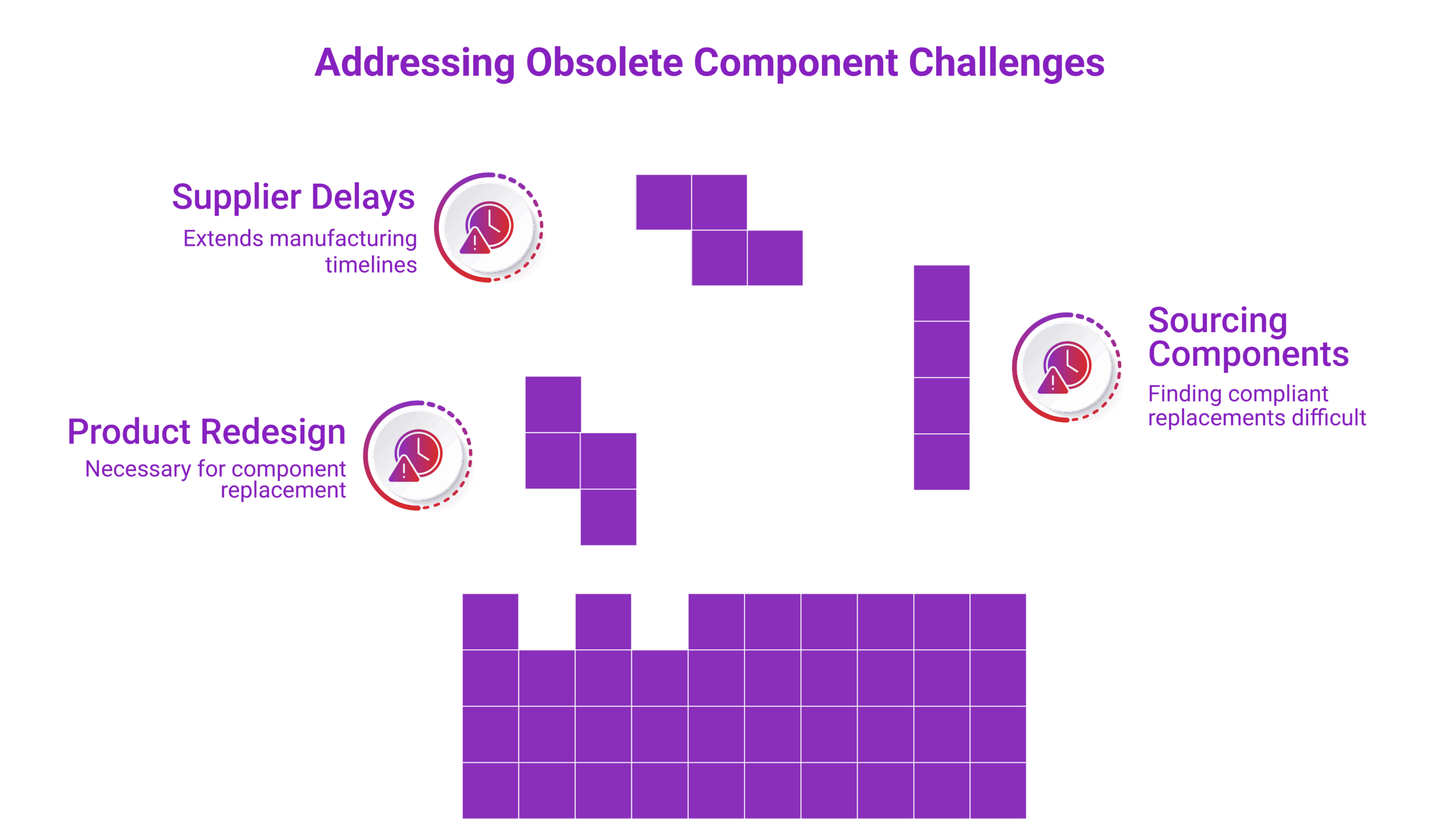
Most companies break in the same two places. First, supplier evidence and change control live in too many silos—PLM, ERP, QMS, spreadsheets—so the “truth” about a part’s compliance status lags reality. Second, processes haven’t kept pace with fast-moving rules and supply swings, so good people follow workflows that can’t see risks early. The result is stress where it hurts most: sourcing and quality. Sourcing absorbs supply shocks and compliance churn, often at premium cost. Quality faces tighter scrutiny on documentation, traceability, and real-time controls. Planning, production, and logistics then inherit the fallout through reschedules, rework, and missed windows. The fix starts with earlier visibility, cleaner handoffs, and a single source of record—so teams can focus on building, not firefighting.
Two weeks from launch, a small data gap surfaces in a Bill of Materials—and the date moves. What reads like an SOP step on paper becomes a leadership problem in practice: engineers rush to redesign, sourcing hunts for compliant alternates, quality braces for tougher scrutiny, and the P&L absorbs delay costs. In medical devices, MDR’s tighter documentation and UDI traceability mean even minor mismatches can cascade into certification slippage and missed revenue windows. In pharma, the revised Annex 1 expects a living contamination control strategy and real time monitoring; weak linkages between components, suppliers, and records quickly translate into deviations or batch holds. Electronics faces its own pressure cooker: RoHS/REACH enforcement has intensified, with recalls, fines, and lost market access when restricted substances or documentation gaps are found late.
The fix isn’t heroics; it’s design in assurance. Validation must shift left—baked into SOPs for design and change, not staged at release. A single source of truth connects PLM, ERP, and QMS so everyone sees the same part status, supplier evidence, and regulatory fields in real time. An AI/alerting layer watches for obsolete parts, RoHS/REACH updates, UDI data issues, supplier notices, and long lead times—then proposes compliant, available alternatives with cost and schedule impact. That’s how releases become audit ready by design, not a last minute scramble, and how teams spend more time building and less time firefighting. For leaders, the payoff is tangible: fewer slips, cleaner audits, steadier revenue recognition, and resilience when rules and supply shift again.
Design Engineer runs the AI agent and provide Change order number for validation
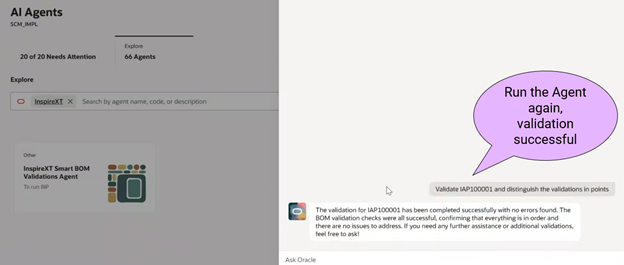

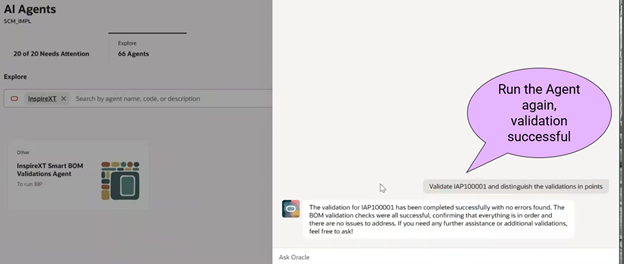
As industries worldwide move toward smarter, faster, and more compliant product development, it is imperative to adopt automated validation mechanisms before products reach the manufacturing stage. InspireXT is committed to leading this transformation.

We are actively enhancing our Smart BOM Validation AI Agent to support:
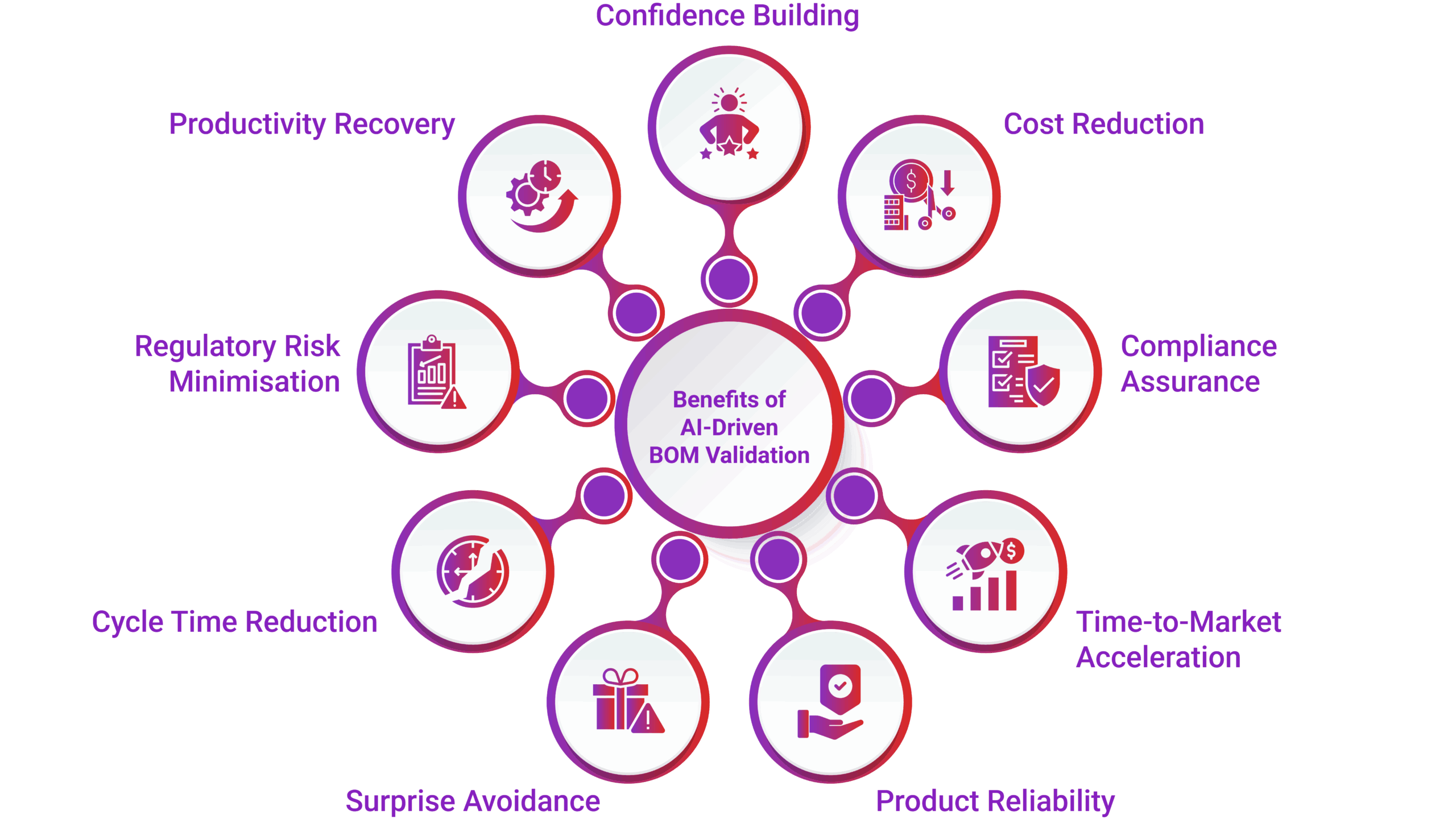
These enhancements will help organizations avoid late-stage surprises, accelerate time-to-market, and ensure compliance by design, ultimately building reliable, sustainable, and regulation-ready products.


Request for
services
Find out more about how we can help your organisation navigate its next. Let us know your areas of interest so that we can serve you better.